


How To Encourage Kids To Help With Housekeeping Chores?
Keeping a home neat and organised can feel like a never ending task, especially when children are involved. Toys on the floor, messy beds, scattered books and snack crumbs can quickly turn a clean space into chaos. According to parenting studies, children who regularly do household chores often develop better responsibility, confidence and time management skills later in life. That is why involving kids in housekeeping from an early age can benefit both parents and children.
However, convincing children to help with chores is not always easy. Many parents struggle with complaints, excuses and half hearted efforts. This article will let you know how to encourage kids to help with housekeeping chores. With the right approach, housekeeping can become a fun and rewarding activity instead of a daily battle. Even families preparing for bigger cleaning tasks like professional bond cleaning Ipswich services can benefit when children actively participate in simple household responsibilities.
Hide
Show
]- Start with Assigning Age Appropriate Tasks
- Turn Chores Into Fun Activities
- Create a Cleaning Routine and Be Consistent
- Praise Effort and Encourage Responsibility in Kids
- Give Kids Choices and Independence
- Should You Use Self Cleaning Functions or Professional Help?
- Infographic For Fun Ways To Make Chores Exciting For Children
- Wrapping Up
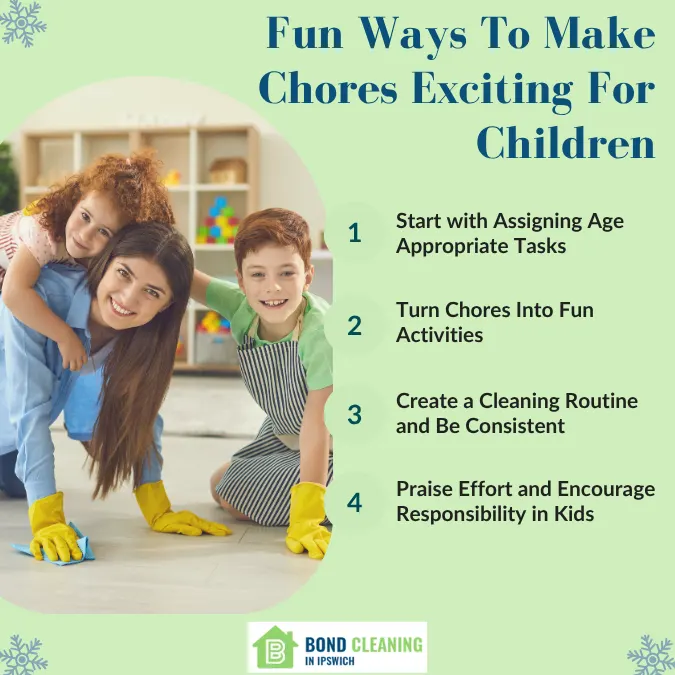
1. Start with Assigning Age Appropriate Tasks
One of the easiest ways to encourage children to help is by assigning chores that match their age and abilities. Young children can help pick up toys, place clothes in laundry baskets or wipe small surfaces. Older children can vacuum rooms, wash dishes, organise shelves or help clean outdoor areas. Giving tasks that are too difficult may frustrate them and reduce their interest.
When children successfully complete simple chores; they feel more confident and capable. Parents should focus on progress instead of perfection. A child may not fold clothes perfectly at first but consistent practice, can help them improve over time. Encouragement and patience make a big difference in building positive habits.
2. Turn Chores Into Fun Activities
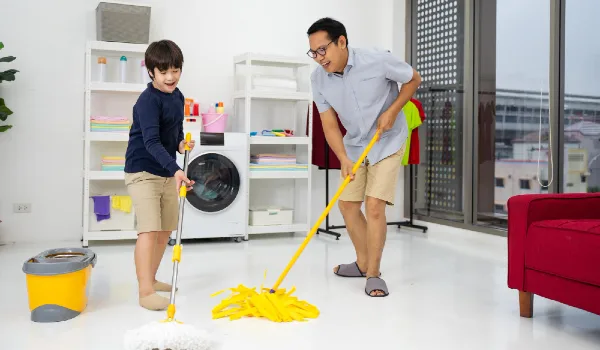
Children are more likely to help, when chores feel enjoyable rather than forced. Turning housekeeping into a game can make cleaning sessions exciting and encourage kids to participate willingly. Parents can try simple and creative ideas to make everyday tasks more entertaining, such as:
- Play upbeat music while cleaning the house.
- Set a timer and challenge kids to finish tasks before it rings.
- Create a reward chart with stickers or stars.
- Turn toy clean up into a treasure hunt game.
- Divide chores into mini challenges with small prizes.
- Let children choose their favourite cleaning tools or gloves.
- Celebrate completed tasks with a family movie or game time.
Reward systems can also work well when used positively. The goal is not to bribe children but to help them associate chores with teamwork and achievement. Families handling larger cleaning projects, including bond cleaning Ipswich, can make cleaning sessions more engaging by setting shared goals and appreciating everyone’s effort together.
3. Create a Cleaning Routine and Be Consistent
Children respond well to routines because they provide structure and predictability. Setting specific times for chores each day helps kids understand that housekeeping is a normal part of family life. For instance, toys can be cleaned up before bedtime, dishes can be cleared after meals and laundry can be sorted on weekends.
Consistency is equally very important. If chores are only assigned occasionally; children may see them as optional. Parents should establish clear expectations and follow through regularly. Over time, chores become habits rather than unwanted responsibilities. A simple routine chart placed on the fridge or wall can help children stay organised and motivated.
4. Praise Effort and Encourage Responsibility in Kids
Positive reinforcement, plays a major role in motivating children. Praising effort rather than focusing only on results, helps children feel appreciated. Simple comments like “Great job organising your books” or “Thank you for helping with the dishes” can encourage them, to continue participating.
Parents should also avoid redoing chores immediately in front of children; as this may make them feel their effort was not good enough. Instead, gentle guidance and encouragement help children improve naturally. Teaching responsibility through chores helps children become more independent and confident in handling daily tasks.
5. Give Kids Choices and Independence
Children often resist chores, when they feel forced or controlled. Giving them small choices, can increase cooperation and reduce arguments. For example, parents can ask, whether the child wants to water plants first or tidy their room first. Allowing children to choose gives them a sense of control and involvement.
Independence also makes chores more meaningful. Parents can assign regular responsibilities that belong specifically to the child, such as feeding a pet or organising school supplies. When children feel trusted, they are more likely to take ownership of their tasks and complete them willingly.
6. Teach the Kids the Importance of Teamwork
Housekeeping becomes easier when every family member contributes. Teaching children that chores help the entire household can build a sense of teamwork and respect. Parents can explain how keeping the home clean creates a healthier, safer and more comfortable environment for everyone.
Family cleaning sessions can also become opportunities for bonding and communication. Whether it is preparing for guests, doing seasonal cleaning, or managing larger tasks like bond cleaning Ipswich, teamwork helps children understand the value of cooperation and shared effort.
Infographic For Fun Ways To Make Chores Exciting For Children
Wrapping Up
Encouraging kids to help with housekeeping chores requires patience, consistency and creativity. These habits not only make household management easier but also teach responsibility, discipline and teamwork. When children learn to contribute at home, they gain valuable life skills that benefit them well into adulthood. With the right approach, housekeeping can transform from a stressful task into an enjoyable family activity where everyone works together toward a cleaner and happier home.