



How Often Should You Clean Your Oven?
Your oven is one of the hardest working appliances in your kitchen, quietly handling everything from quick weekday dinners to elaborate weekend bakes. But while you might wipe your countertops daily and mop your floors weekly, the oven often gets overlooked. Over time, grease splatters, burnt food and stubborn grime build up, affecting not just hygiene but also the taste and quality of your meals.
This article will let you know how often you should actually clean your oven. The answer isn’t one size fits all. It depends on how frequently you cook, what you cook, and how much mess you’re willing to tolerate. Whether you’re a casual cook or someone preparing for a detailed inspection like top quality bond cleaning Ipswich; understanding the right cleaning routine can make a significant difference.
Hide
Show
]- Why Regular Oven Cleaning Matters
- General Rule: How Often Should You Clean It?
- Signs Your Oven Needs Immediate Cleaning
- Quick Cleaning vs Deep Cleaning: What’s the Difference?
- Best Practices to Keep Your Oven Cleaner for Longer
- Should You Use Self Cleaning Functions or Professional Help?
- Infographic For Smart Oven Cleaning Tips
- Wrapping Up
1. Why Regular Oven Cleaning Matters
Keeping your oven clean isn’t just about appearances; it directly impacts your cooking results. When grease and food residue accumulate; they can burn during cooking, producing unpleasant odours and even smoke. This can affect the flavour of your food, making even your best recipes taste slightly off.
Beyond taste, a dirty oven can also become a safety hazard. Built up grease is highly flammable, increasing the risk of kitchen fires. Regular cleaning helps you maintain a safer cooking environment, while making sure that your meals remain fresh and flavourful every time.
2. General Rule: How Often Should You Clean It?
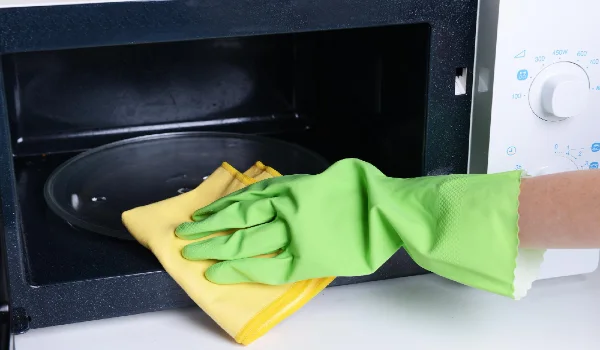
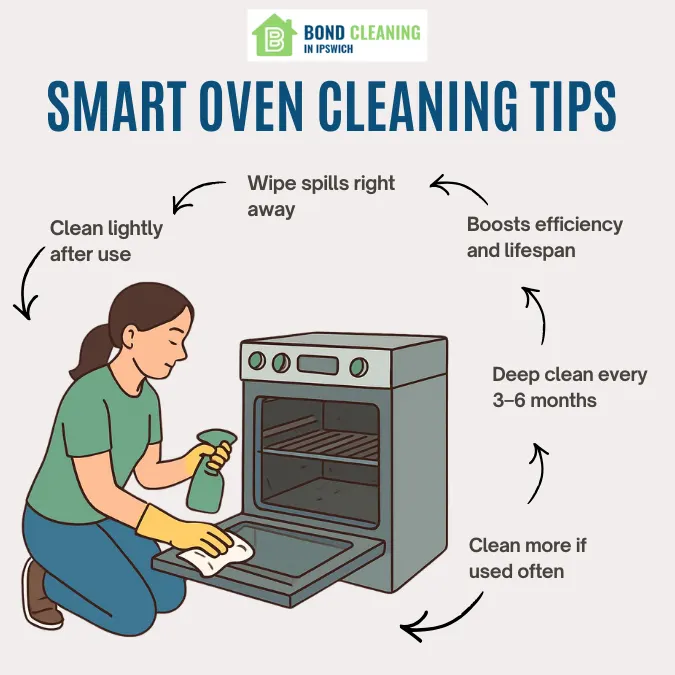
For an average household that uses the oven a few times a week, a deep clean every 3 to 6 months is usually sufficient. This helps prevent heavy buildup and keeps maintenance manageable. However, light cleaning like wiping spills and crumbs, should be done weekly or after any messy cooking session.
If you use your oven daily or frequently cook greasy or baked dishes, you may need to deep clean it more often, possibly every 1 to 2 months. On the other hand, occasional users might stretch it to twice a year, provided they clean up spills promptly after use.
3. Signs Your Oven Needs Immediate Cleaning
Sometimes, your oven will give clear signals that it’s overdue for a clean. Look out for these signs:
- A strong burnt smell every time you switch it on.
- Smoke coming out during cooking.
- Black residue or visible grease on oven walls and racks.
- Food is taking longer than usual to cook.
- Uneven cooking results.
These signs indicate that leftover food particles and grease are affecting your oven’s performance. They shouldn’t be ignored, especially if you’re preparing for inspections like bond cleaning Ipswich, where cleanliness standards are strict.
4. Quick Cleaning vs Deep Cleaning: What’s the Difference?
Quick cleaning is all about maintaining your oven between deep cleans. This includes wiping down the interior after spills, cleaning the glass door and removing crumbs from the bottom. These small actions prevent build up and make deep cleaning much easier.
Deep cleaning, on the other hand, involves removing oven racks, scrubbing stubborn grease and thoroughly cleaning every corner of the appliance. This process can take more time, but it is essential for restoring your oven to its best condition. Many homeowners rely on professional services, especially during end of lease situations like bond cleaning Ipswich, to ensure a spotless finish.
5. Best Practices to Keep Your Oven Cleaner for Longer
A few simple habits can help you maintain a cleaner oven and reduce the need for frequent deep cleaning:
- Place a baking tray or foil under dishes that may spill.
- Wipe down the oven interior after each messy cooking session.
- Clean spills while the oven is still slightly warm, but safe to touch.
- Use oven safe liners to catch drips and crumbs.
- Opt for covered cookware to minimise splatters.
By following these practices, you can prevent stubborn buildup and keep your oven in great condition for longer, making your cleaning routine far more manageable.
6. Should You Use Self Cleaning Functions or Professional Help?
Modern ovens often come with a self cleaning feature, which uses high heat to burn off residue. While convenient, it’s not always the best option for frequent use, as it can produce strong fumes and consume a lot of energy. It’s best used occasionally, not as your primary cleaning method.
For a thorough and stress free experience, especially when moving out or preparing for inspections, professional cleaning services can be a smart choice. They have the tools and expertise to handle stubborn grime without damaging your appliance, ensuring your oven looks as good as new.
Infographic For Smart Oven Cleaning Tips
Wrapping Up
Cleaning your oven might not be the most exciting chore, but it’s one that pays off in multiple ways, from better tasting food to improved safety and efficiency. By sticking to a regular cleaning schedule and addressing messes promptly, you can avoid the hassle of heavy build up. Whether you’re maintaining your home or preparing for a detailed process like bond cleaning; a clean oven reflects a well kept kitchen. Treat it as an essential part of your routine and your appliance will reward you with consistent performance and longevity.